
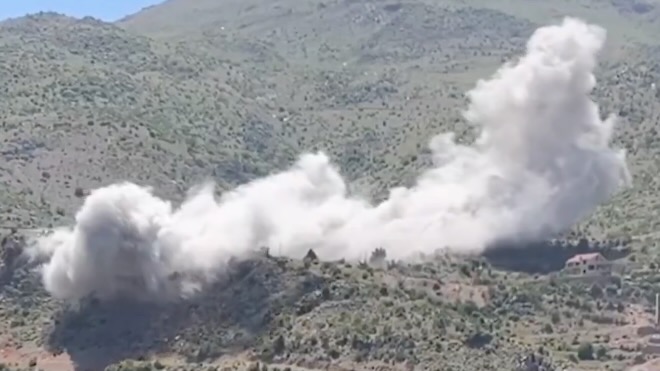
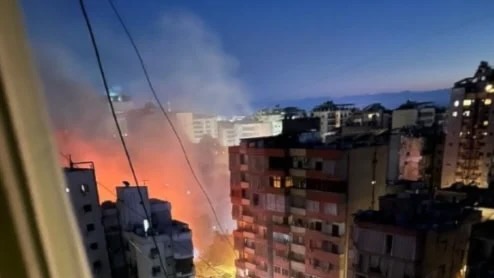
Another massacre was committed in Gaza on the same day, killing nine people, despite the US-brokered ceasefire deals in both Arab territories.
At least 837 Palestinians, including 216 children, have been killed in thousands of ceasefire violations by the Israeli Occupation Forces (IOF) in Gaza since October last year.

Netanyahu ordered a “special project” to counter the growing threat of the drone attacks after they killed or injured several IOF soldiers.
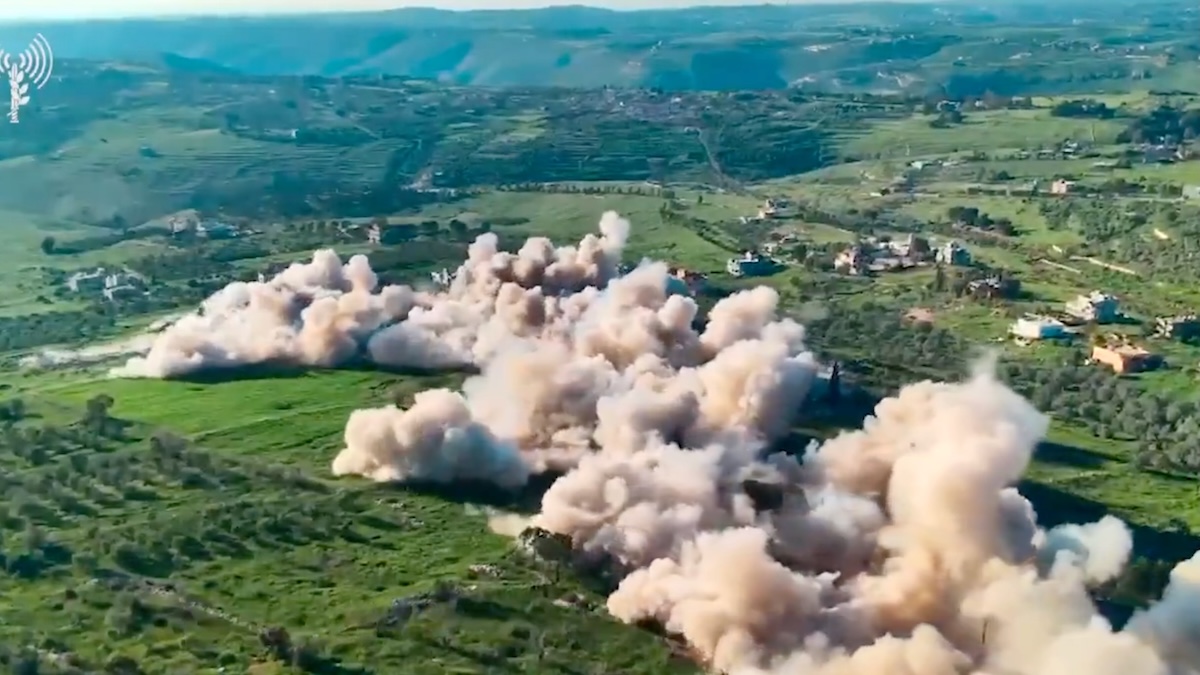
Hezbollah reaffirmed that it does not trust the ceasefire negotiations, and vowed to continue resistance against the IOF.
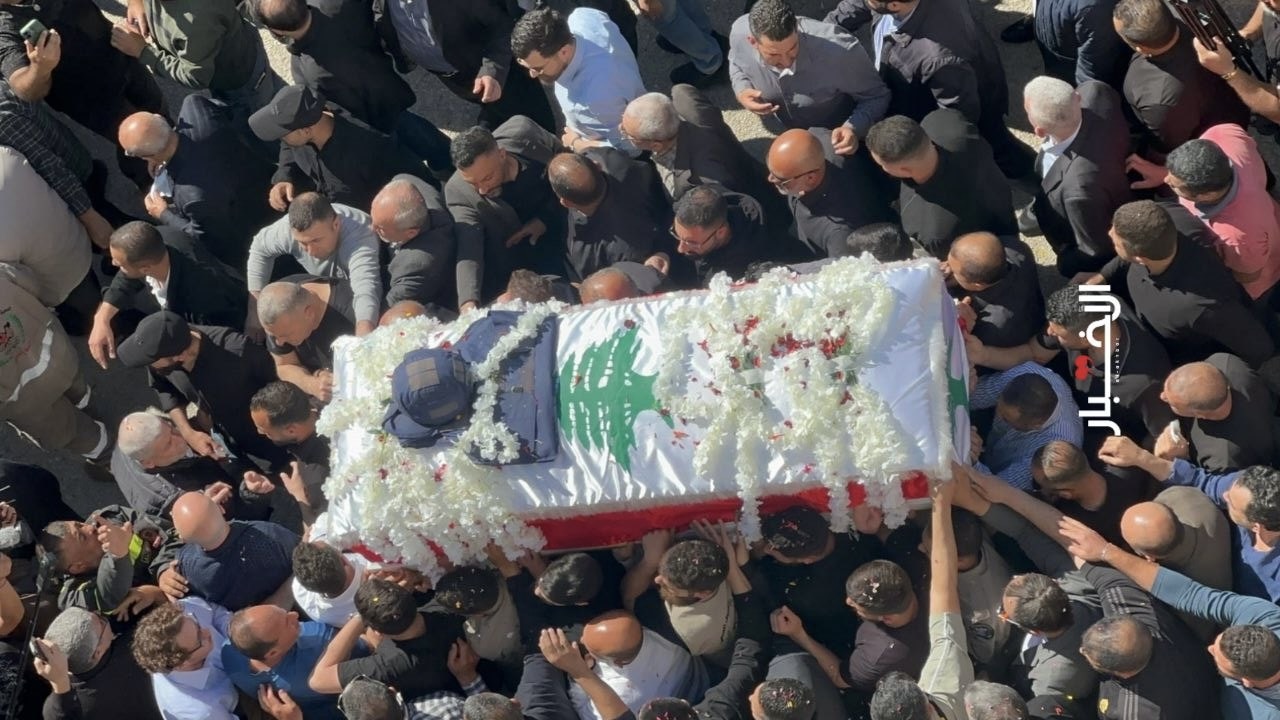
Amal and her media outlet, Al Akhbar, were targeted multiple times by Israeli forces before her assassination.
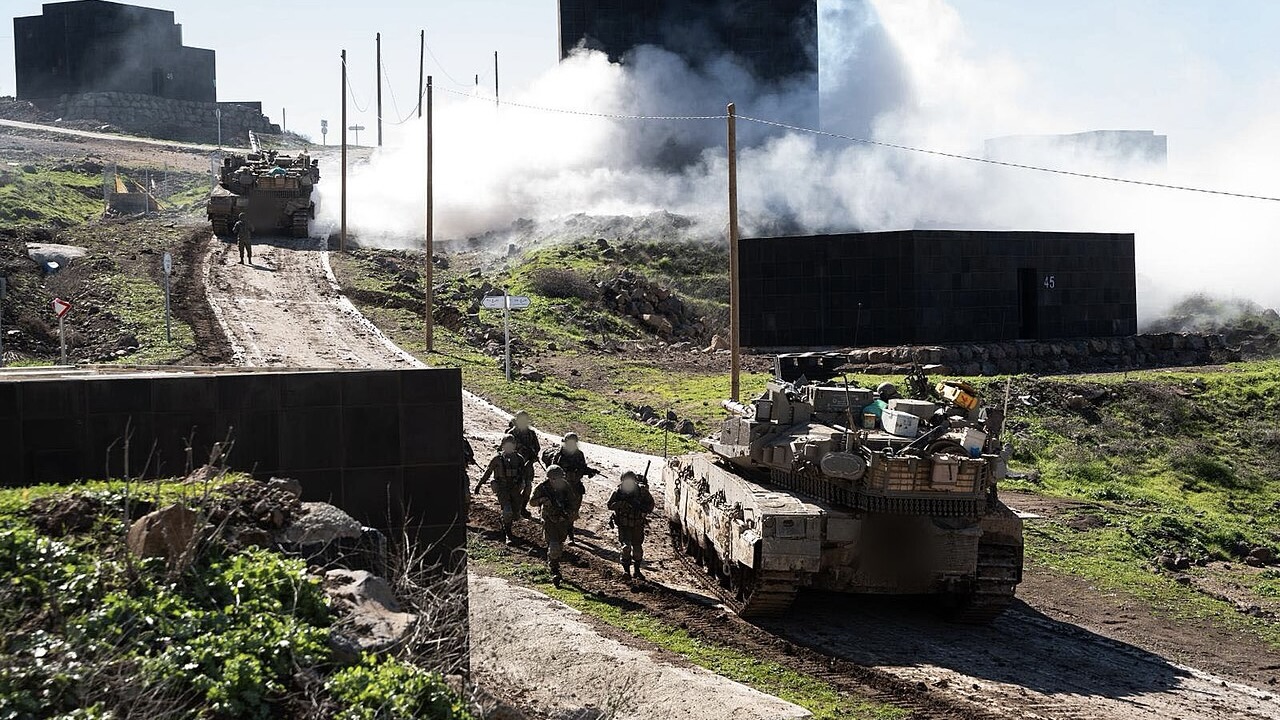
Hezbollah vowed to break the “Yellow Line” through resistance, confirming that it will not disarm.
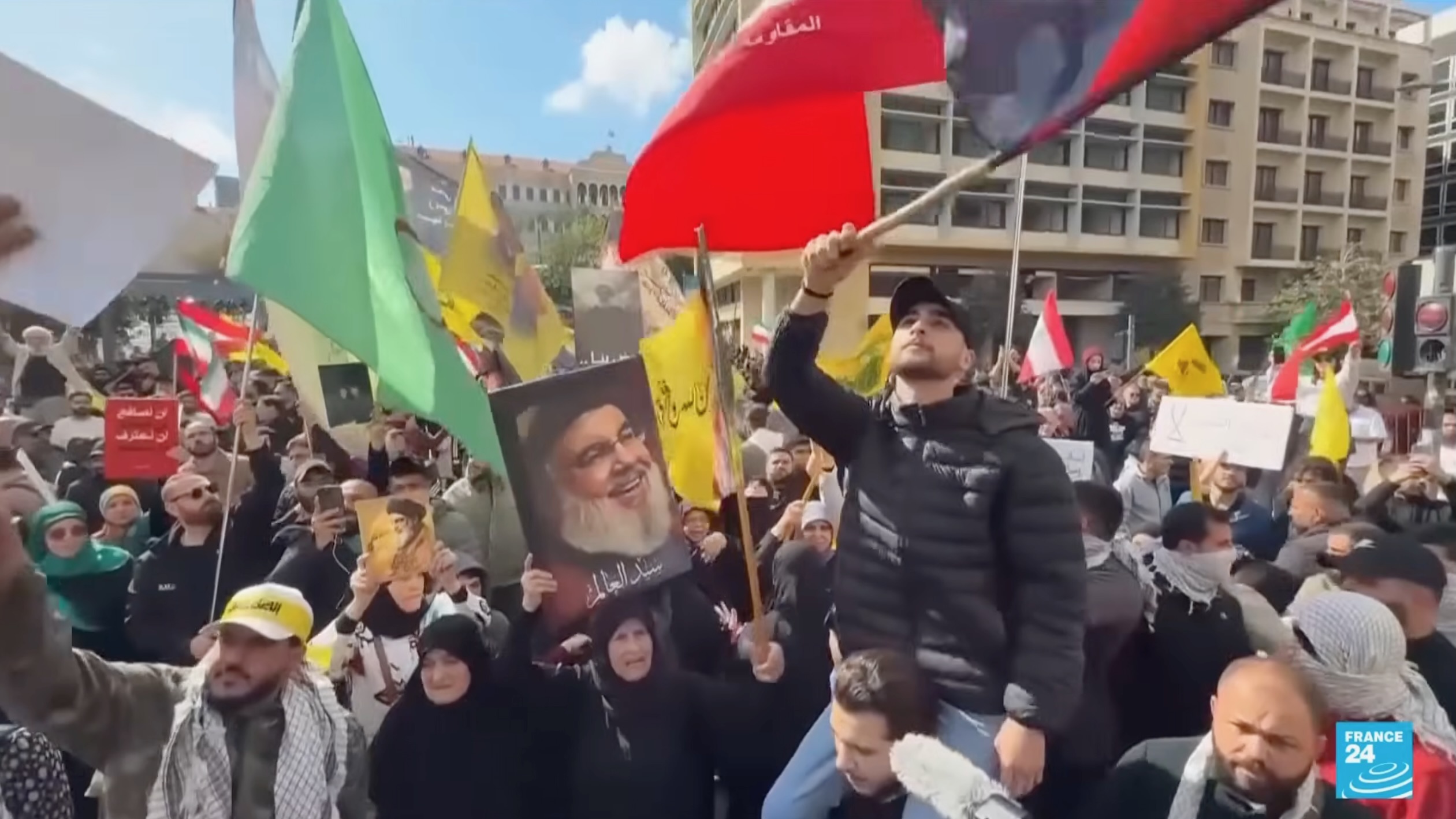
The Lebanese government has pushed to separate itself from the US-Iran ceasefire talks, seemingly putting itself in a position of weakness.
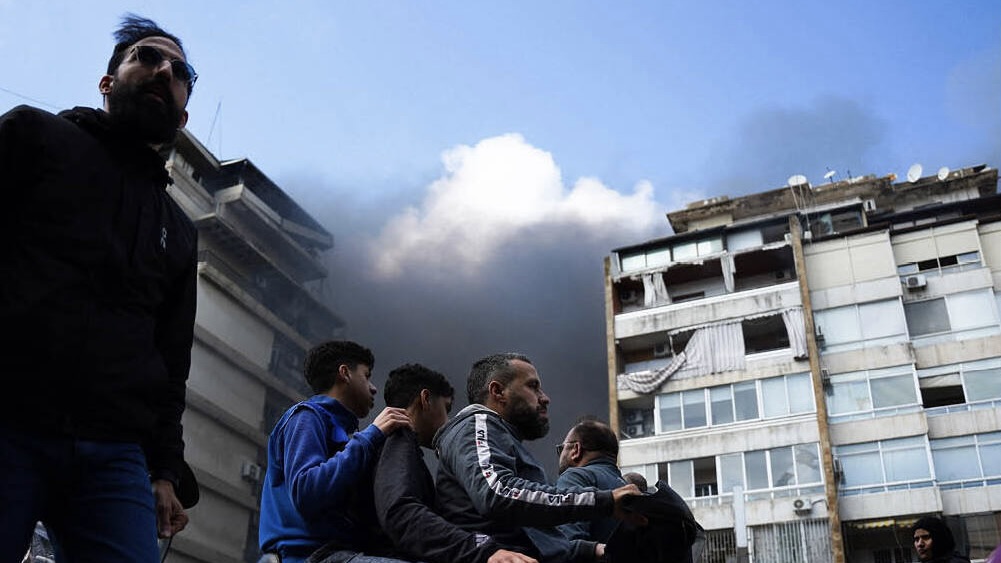
It bears thinking that the world needs to apologize to Lebanon and to Palestine as the genocide by Israel grinds on from Gaza City to Beirut.
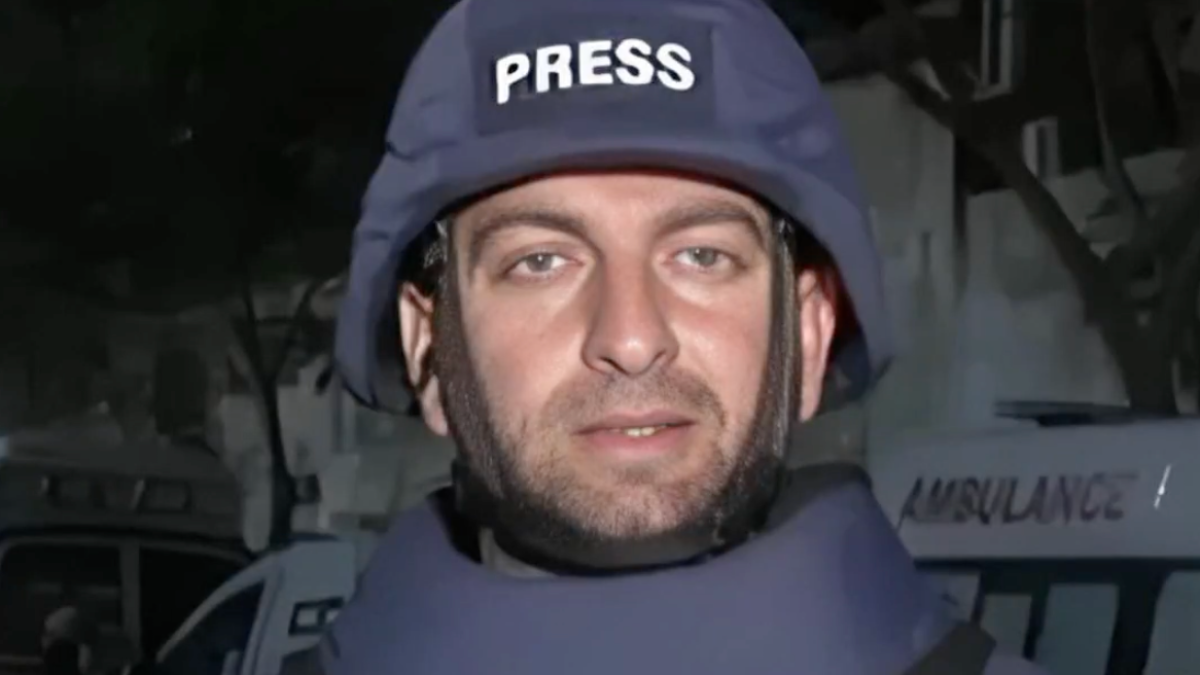
Hundreds of media workers have been killed by Israel during its all out muti-front aggression across West Asia during the past two and a half years.
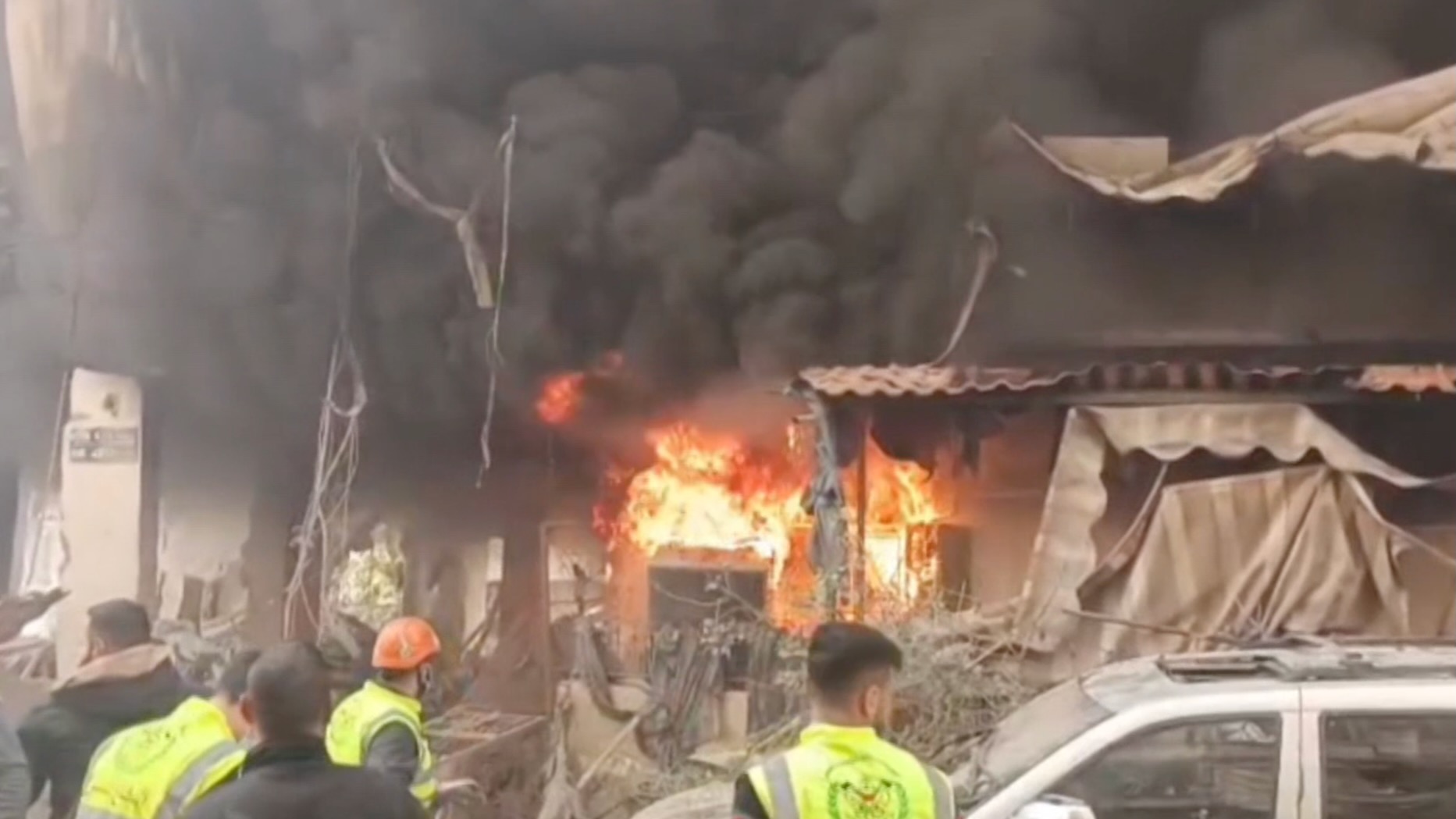
Iran threatened to attack Israel, pull out of the deal, if the aggression on the Lebanese territories does not stop.
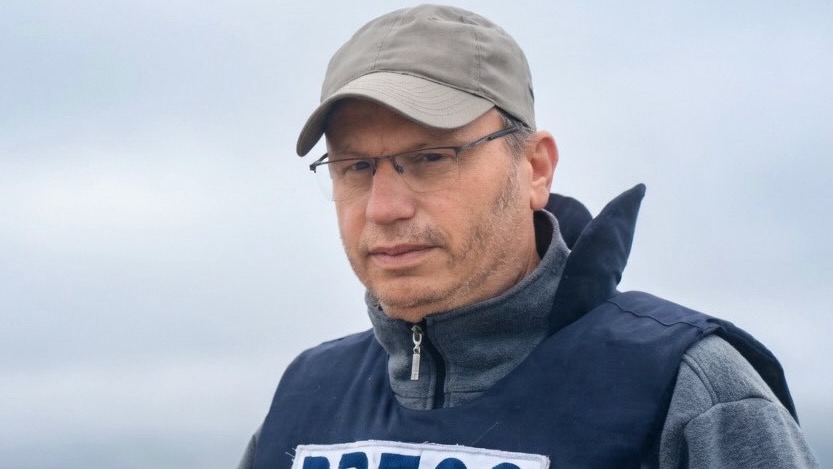
Israel’s genocidal war machine seems to have applied the same genocidal tactics it has used in the Gaza strip against the people of Lebanon.
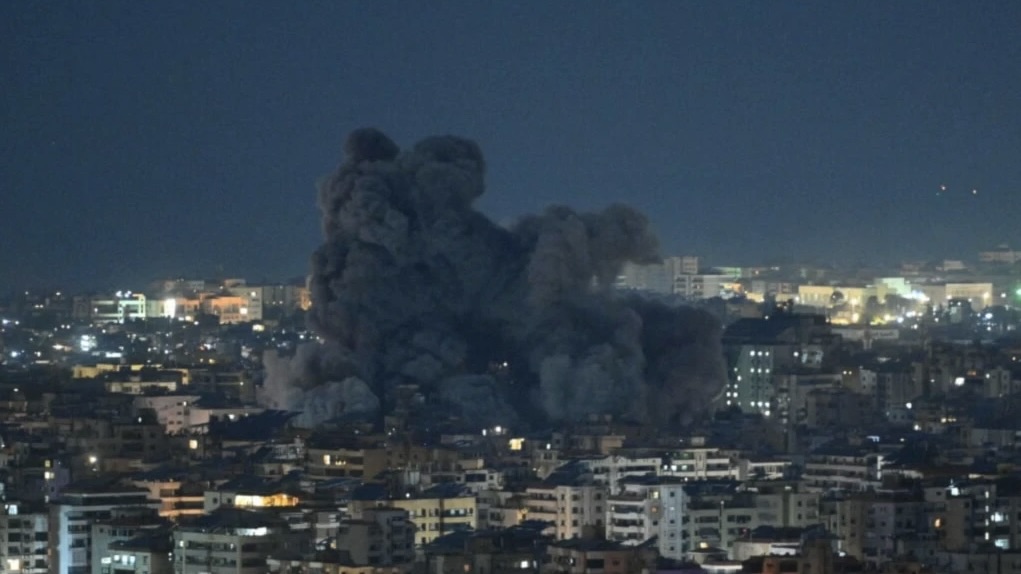
Israeli attacks on Lebanon’s health system echo systematic destruction of healthcare in Gaza, health activists and experts warn.
- Brazil approves end to 6×1 work schedule and reduction of the work week to 40 hours
- Israel kills 31 people in Lebanon on the eve of Eid al-Adha
- Israel carries out sixth consecutive Eid massacre in Gaza
- Far-right Janez Janša to return for fourth government term in Slovenia
- With peace deal nearly final, US launches fresh attacks on Iran